In the sacred city of Varanasi, where the Ganges flows eternally and life blends ancient rituals with modern pace, heart health has emerged as a pressing issue for many families. Cardiovascular diseases are responsible for a significant portion of deaths in India, affecting millions across urban and rural areas. Factors like urban stress, changing diets, and environmental challenges are heightening risks for Varanasi residents. But there’s hope—with awareness, lifestyle tweaks, and quality medical support, we can safeguard our hearts.
Infinity Care Hospital stands as a beacon of advanced healthcare in Varanasi, offering comprehensive cardiology services to help you maintain a healthy heart. As a multi-specialty facility with state-of-the-art infrastructure, we provide expert care for everything from routine check-ups to complex treatments. In this detailed guide, we’ll explore heart health in simple terms, discuss local risks, share practical prevention tips suited to Indian lifestyles, and highlight how our cardiology team can support you. Let’s empower ourselves to live longer, healthier lives in this vibrant city.
Understanding Heart Health: Why It’s Crucial for Varanasi Residents
Heart health refers to the well-being of your heart and blood vessels, ensuring they function smoothly to supply oxygen and nutrients throughout your body. Think of your heart as the tireless pump that keeps everything running—when it’s strained, problems like heart attacks, strokes, or failures can arise.
In India, the burden of heart diseases is escalating rapidly. Urban areas like Varanasi are particularly affected, with rising cases among younger adults. With a population exceeding three million and a constant influx of pilgrims, the city faces unique challenges. Air pollution from traffic, industries, and daily activities worsens heart risks, leading to inflammation in blood vessels and increased chances of blockages.
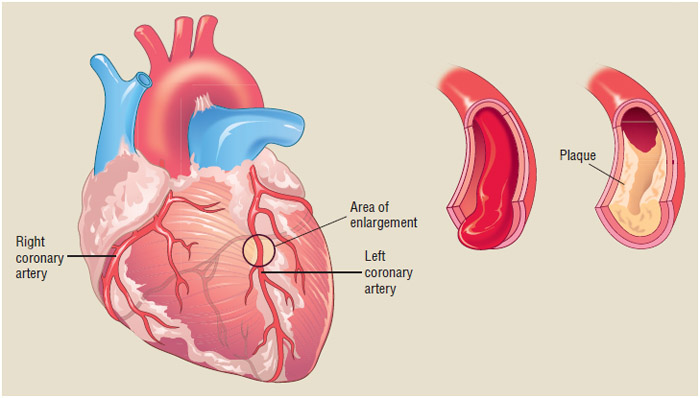
Common heart issues in Varanasi include hypertension, which is high blood pressure that often goes unnoticed until it causes symptoms like headaches or dizziness. Coronary artery disease involves blocked arteries leading to chest pain or attacks. Heart failure happens when the heart weakens and can’t pump effectively, while arrhythmias are irregular heartbeats that can make you feel palpitations. Strokes occur when blood flow to the brain is interrupted, often linked to heart problems.
These conditions aren’t limited to seniors; younger people in their 40s and 50s are increasingly vulnerable due to sedentary jobs and stress. Recognizing early signs—like fatigue, shortness of breath, swelling in legs, or chest discomfort—can make all the difference. In Varanasi’s humid climate and busy streets, ignoring these signs can lead to emergencies, but early awareness helps prevent them.
Educating yourself about heart health is the first step. Regular monitoring of blood pressure and cholesterol levels can reveal hidden risks. For families in Varanasi, where traditions like fasting during festivals might affect diets, balancing cultural practices with health needs is key. By understanding how the heart works and what threatens it, we can take proactive measures to stay strong.
Key Risk Factors for Heart Disease in Varanasi’s Urban Life
Heart diseases stem from a mix of controllable and uncontrollable factors, but in India, lifestyle plays a major role. In Varanasi, local habits and environment amplify these risks, making it essential to identify and address them.
One major factor is lifestyle and diet. Our love for oily street foods like samosas, puris, and sweets contributes to obesity and high cholesterol. High-calorie, high-fat diets, combined with low physical activity, drive these issues. Abdominal obesity is common, increasing the chances of coronary artery disease.
Hypertension and diabetes are widespread. High blood pressure affects many urban adults, rising with age and habits like excessive salt intake. Diabetes, often called India’s silent epidemic, damages blood vessels when uncontrolled, leading to heart complications.
Tobacco use is another big risk. Beedis, gutkha, and cigarettes are common, narrowing arteries and raising clotting risks. Even passive smoke in crowded areas like ghats or markets harms hearts.
Air pollution in Varanasi is a silent threat. Fine particles from vehicles and dust inflame blood vessels, contributing to premature heart problems. In a city with high traffic and industrial activity, this environmental factor adds to the burden.
Stress and inactivity play roles too. Daily commutes, work pressure, and the summer heat discourage exercise, while psychosocial stress from family or financial worries exacerbates hypertension. Family history, advancing age, and gender—such as higher risks for women after menopause—add layers to the equation.
In rural parts around Varanasi, similar risks like tobacco use and poor diet lead to increased heart attack chances. The good news is that many of these factors are preventable. By recognizing them, Varanasi residents can make changes to reduce their overall risk profile.
Practical Prevention Tips Tailored to Indian and Varanasi Lifestyles
Preventing heart disease doesn’t require drastic changes—small, sustainable steps aligned with our culture can help. Here’s how Varanasi folks can protect their hearts without disrupting daily life.
Start with a balanced diet. Focus on home-cooked meals with whole grains like brown rice or millets, fresh vegetables such as spinach and okra, and fruits like guava or papaya from local markets. Include omega-3-rich foods like fish or flaxseeds for heart protection. Reduce fried items, excess ghee, and sweets; opt for grilled or steamed alternatives. Limit salt to manage blood pressure and sugar to control diabetes. A typical heart-friendly plate could be lentil soup, mixed vegetables, yogurt, and flatbread—nutritious and familiar.
Stay active with daily movement. Aim for at least 30 minutes of exercise. Walk briskly by the Ganges at sunrise—it’s refreshing and connects you to the city’s spiritual essence. Practice yoga poses like sun salutations to build strength, improve flexibility, and reduce stress. If you’re short on time, cycle to nearby temples, take the stairs, or do household chores actively. Even dancing to bhajans during festivals counts as fun cardio.
Quit tobacco in all forms. If you use beedis or chew gutkha, seek support from family or local groups to stop—it’s one of the best things for your heart. Avoid second-hand smoke by choosing open, well-ventilated spaces.
Manage stress effectively. In Varanasi’s fast-paced life, practice deep breathing or meditation by the river. Get 7-8 hours of sleep each night, as poor sleep increases heart risks. Share worries with loved ones or join community wellness activities. Hobbies like gardening or listening to classical music can lighten the mental load.
Regular health check-ups are crucial. Monitor blood pressure, blood sugar, and cholesterol at least once a year, or more if you have risks. Early screenings can catch issues before they worsen. For women, pay attention to changes after menopause, and for men, watch for signs amid busy work schedules.
Incorporate heart-healthy habits into traditions. During Navratri or other fasts, choose fruits and nuts over heavy fried foods. Drink herbal teas like tulsi or ginger for natural benefits. By weaving these tips into your routine, you can significantly lower heart disease risks while enjoying Varanasi’s rich culture.
Comprehensive Cardiology Services at Infinity Care Hospital in Varanasi
At Infinity Care Hospital, we are committed to providing top-notch cardiology care tailored to Varanasi’s needs. Our cardiology department is equipped with modern technology and staffed by experienced specialists, including cardiologists, vascular surgeons, and support teams who prioritize patient comfort.
We offer a full range of diagnostic services. Non-invasive tests like electrocardiograms (ECG), echocardiograms, and stress tests help detect issues early without discomfort. Advanced imaging techniques allow us to identify blocked arteries, weak heart muscles, or irregular rhythms accurately and quickly.
For treatments, we emphasize personalized plans. For hypertension or high cholesterol, we start with lifestyle guidance and medications. In cases of arrhythmias, we provide pacemaker implants or other rhythm-correcting procedures. Angioplasty and stenting are available for blocked arteries, using minimally invasive methods to reduce recovery time. For more complex needs, like heart failure or valve problems, our cardiothoracic surgeons perform surgeries with high success rates.
Our approach is holistic. We integrate preventive care, such as nutrition counseling and rehabilitation programs, to help patients recover and stay healthy long-term. Emergency services are available 24/7 for sudden chest pain, shortness of breath, or other urgent symptoms, ensuring prompt intervention.
What sets us apart is our patient-centered focus. We explain everything in simple language, answer questions, and involve families in decisions. Located conveniently in Varanasi, our hospital offers affordable options, including cashless insurance facilities for many plans. Our team is trained to handle the unique challenges of local patients, from pollution-related issues to diet preferences.
We also run community outreach programs, like free heart health camps in neighborhoods and awareness sessions at temples or schools. These initiatives educate residents on risks and prevention, fostering a healthier community.
Real-Life Stories: How We’ve Helped Varanasi Families
Hearing from those we’ve helped can inspire confidence. Take the case of Mr. Sharma, a 55-year-old shopkeeper from the bustling Chowk area. He came to us with persistent chest pain and high blood pressure. After a quick ECG and echo, our team diagnosed a mild blockage. With medication and diet advice, he’s now back to his business, feeling energetic and grateful for the early catch.
Then there’s Mrs. Gupta, a homemaker in her 60s who experienced palpitations during daily chores. Our arrhythmia specialists implanted a pacemaker in a short procedure. Post-surgery rehab helped her regain strength, and she now enjoys walks with her grandchildren without worry.
Younger patients benefit too. Raj, a 42-year-old office worker, ignored fatigue until a routine check-up revealed high cholesterol. Through our counseling, he adopted yoga and healthier eating, avoiding major issues. These stories show that with timely care, heart problems can be managed effectively, allowing people to live fully in Varanasi.
Taking Charge of Your Heart Health Today
Heart health in Varanasi is about more than avoiding disease—it’s about thriving amid the city’s energy and traditions. By understanding risks, adopting preventive habits, and seeking expert care when needed, you can protect yourself and your loved ones.
Infinity Care Hospital is your trusted partner in this journey. Our comprehensive cardiology services combine advanced technology with compassionate care, right here in Varanasi. Whether for a check-up, treatment, or advice, we’re here to support you.
Don’t wait for symptoms to appear. Schedule a heart health screening today and take the first step toward a stronger future. Your heart beats for the moments that matter—keep it healthy for years to come.