i-Pill: Uses, How to Take, Side Effects, Effectiveness & Price in India
Medically Reviewed by: Dr. Archana Kumari
Qualification: MBBS, M.S. (Obst & Gynae)
Department: Gynaecology, Infinity Care Hospital, Varanasi
Last Updated: September 2026An unprotected sexual encounter, a condom that breaks, or a missed contraceptive can create an immediate worry:
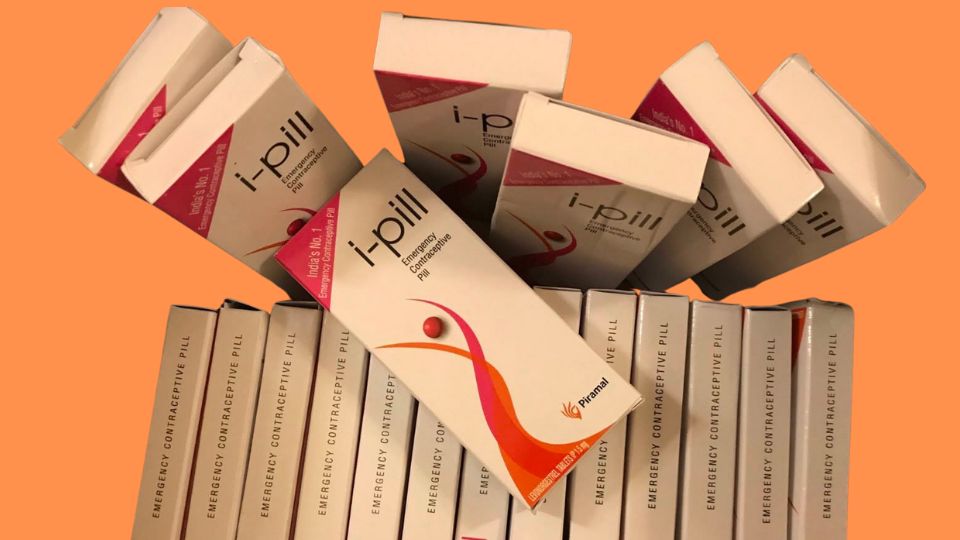
Can pregnancy still be prevented?Emergency contraception is intended for situations like these. i-Pill is one of the commonly known emergency contraceptive pills in India. It contains
levonorgestrel 1.5 mg, a hormone used to reduce the chance of pregnancy after unprotected sex or contraceptive failure.The most important thing to understand is timing:
emergency contraception works best when used as early as possible.This guide explains what i-Pill is, how it works, when and how to take it, its possible side effects, its effect on periods and future fertility, and what to do if your period does not arrive as expected.
Important: i-Pill is an emergency contraceptive, not an abortion pill and not a replacement for a regular contraceptive method. Individual circumstances and medicines can affect which emergency contraception option is most appropriate.
What Is i-Pill?
i-Pill is an
emergency contraceptive pill used to reduce the chance of an unintended pregnancy after unprotected sexual intercourse or failure of a contraceptive method.A standard i-Pill tablet contains
levonorgestrel 1.5 mg.Levonorgestrel is a synthetic progestogen. When used for emergency contraception, its main action is to
prevent or delay ovulation, meaning the release of an egg from the ovary.If an egg is not released, sperm cannot fertilise it and pregnancy cannot begin.i-Pill is sometimes called the
morning-after pill, but this name can be misleading. You do not have to wait until the next morning to take emergency contraception.
The sooner appropriate emergency contraception is used after unprotected sex, the better.What Is i-Pill Used For?
i-Pill may be considered after unprotected or inadequately protected intercourse when there is a risk of unintended pregnancy.Common situations include:
- Sex without contraception
- A condom breaking, slipping or being used incorrectly
- Missed regular contraceptive pills
- Failure or incorrect use of another contraceptive method
- Incorrect calculation of fertile days when relying on fertility-awareness methods
- Failed withdrawal
- Sexual assault when effective contraception was not being used
Emergency contraception is intended as a
backup option. It should not replace an effective regular contraceptive method.
How Does i-Pill Work?
i-Pill contains levonorgestrel.Levonorgestrel emergency contraception primarily works by
preventing or delaying ovulation.This distinction is important because there is considerable confusion online about emergency contraception.
Does i-Pill Stop an Existing Pregnancy?
No.Emergency contraceptive pills do not terminate an established pregnancy.i-Pill therefore should not be confused with medicines used for medical abortion.
Is i-Pill an Abortion Pill?
No. i-Pill is not an abortion pill.Emergency contraception is used to
prevent pregnancy before it becomes established. It cannot end an established pregnancy.
When Should You Take i-Pill?
Take emergency contraception
as soon as possible after unprotected intercourse or contraceptive failure.For levonorgestrel emergency contraceptive pills such as i-Pill, the product is commonly used within
72 hours (3 days) after unprotected intercourse, and effectiveness generally decreases as time passes.Do not intentionally wait for 24, 48 or 72 hours.
i-Pill Within 24 Hours
If you realise that emergency contraception may be needed, seek it as soon as possible.Earlier use generally provides a better chance of preventing pregnancy than delaying the dose.
i-Pill After 24–48 Hours
Levonorgestrel emergency contraception may still be used during this period.Again, take it as soon as possible rather than waiting until the 72-hour limit.
i-Pill After 48–72 Hours
It may still reduce the risk of pregnancy, but effectiveness declines with increasing time after intercourse.
More Than 72 Hours Have Passed — What Should You Do?
Do not assume that there are no options.Emergency contraception as a broader category can be considered for up to
120 hours (5 days) after unprotected intercourse, depending on the method.A
copper-bearing intrauterine device (Cu-IUD) inserted by a trained healthcare professional within the appropriate time window is the most effective form of emergency contraception.Other emergency contraceptive medicines may also be considered depending on availability, timing, medicines being taken and individual circumstances.If more than 72 hours have passed, speak to a gynaecologist or qualified healthcare professional promptly rather than relying on an i-Pill taken late without advice.
How to Take i-Pill
For a standard levonorgestrel 1.5 mg emergency contraceptive product:
Take one tablet orally as a single dose, as soon as possible after unprotected intercourse.Swallow it with water and follow the instructions supplied with the medicine.It is not necessary to wait until morning.
Can i-Pill Be Taken on an Empty Stomach?
Levonorgestrel can generally be taken with or without food.Some people experience nausea after emergency contraception. If nausea is a concern, taking it with food may feel more comfortable.
What If You Vomit After Taking i-Pill?
Vomiting soon after taking the tablet can prevent adequate absorption of the medicine.If you
vomit within approximately 2 hours of taking levonorgestrel emergency contraception, another dose may be required.Speak to a pharmacist, gynaecologist or other qualified healthcare professional promptly for advice.
How Effective Is i-Pill?
No emergency contraceptive pill can guarantee that pregnancy will be prevented.Effectiveness depends on several factors, particularly:
- How quickly it is taken
- Whether ovulation has already occurred
- The timing of intercourse in the menstrual cycle
- Certain medicines being used
- Body weight/BMI
- Whether further unprotected intercourse occurs afterwards
The key practical rule is simple:
The sooner emergency contraception is used, the better.Does i-Pill Work After Ovulation?
Levonorgestrel emergency contraception primarily acts by delaying or preventing ovulation.Therefore, if ovulation has already occurred, levonorgestrel may be less effective.Because most people cannot determine the exact time of ovulation with certainty, you should not try to calculate whether emergency contraception will work based solely on an app or estimated fertile date.If there is concern that ovulation may already have occurred, or if more time has passed since intercourse, discuss alternative emergency contraception with a healthcare professional.A copper IUD is the most effective emergency contraceptive method when medically appropriate.
Does Weight Affect i-Pill Effectiveness?
There is evidence that
oral emergency contraceptive pills may be less effective in women with higher body weight or BMI.This does not mean someone who is overweight or obese should simply avoid emergency contraception.Instead, a healthcare professional can discuss the available options. A
copper IUD is not affected by body weight and is the most effective emergency contraception method.
What Happens After Taking i-Pill?
Most people can continue their normal activities after taking levonorgestrel emergency contraception.Temporary symptoms may occur, and your next menstrual period may not arrive exactly when expected.Some women experience:
- Nausea
- Headache
- Tiredness
- Dizziness
- Mild abdominal discomfort or cramps
- Breast tenderness
- Spotting or irregular bleeding
- A period that comes somewhat earlier or later than expected
These effects are generally temporary.
i-Pill Side Effects
Like other medicines, i-Pill can cause side effects, although not everyone experiences them.
Common Temporary Side Effects
Possible effects include:
Nausea: You may feel sick after taking the tablet.
Headache: A temporary headache can occur.
Fatigue: Some women feel tired after taking emergency contraception.
Abdominal discomfort or cramps: Mild lower abdominal discomfort may occur.
Dizziness: Some people experience temporary light-headedness.
Breast tenderness: Temporary breast sensitivity can occur.
Changes in menstrual bleeding: Spotting, irregular bleeding or a change in the timing of the next period may occur.These effects usually settle without treatment.
How Does i-Pill Affect Your Period?
Changes in the next menstrual cycle are one of the most common concerns after emergency contraception.Your next period may:
- Arrive a little earlier
- Arrive later than expected
- Be somewhat heavier or lighter
- Be accompanied by spotting or irregular bleeding
A temporary change does not automatically mean you are pregnant.However, a significantly delayed period requires pregnancy testing and, where appropriate, medical evaluation.
When Should You Take a Pregnancy Test After i-Pill?
Consider taking a pregnancy test if:
- Your period is a week or more later than expected
- Your period is unusually light and you are concerned about pregnancy
- You develop symptoms suggestive of pregnancy
- You remain uncertain whether emergency contraception worked
If there is continuing uncertainty, a healthcare professional can advise when testing should be repeated.
Can You Become Pregnant Even After Taking i-Pill?
Yes.Emergency contraception reduces pregnancy risk but does not eliminate it completely.Pregnancy may still occur if:
- The medicine was taken too late
- Ovulation had already occurred
- The tablet was not adequately absorbed because of vomiting
- Certain medicines reduced its effectiveness
- Further unprotected intercourse occurred after taking the pill
A late period should therefore not automatically be assumed to be only a side effect of i-Pill.
Does i-Pill Protect You for the Rest of the Menstrual Cycle?
No.This is an important point.Taking i-Pill after one episode of unprotected sex does not provide reliable ongoing protection against pregnancy from sex later in the cycle.If you have unprotected intercourse again after taking emergency contraception,
another pregnancy risk can occur.Use condoms or an appropriate regular contraceptive method and seek medical advice if another contraceptive failure occurs.
Can You Start Regular Birth Control After Taking i-Pill?
After levonorgestrel emergency contraception, regular contraception can generally be
started or resumed immediately, depending on the method.Because contraceptive methods differ, follow the instructions for your regular contraception or ask your gynaecologist how long additional condom protection is required.If you frequently need emergency contraception, discussing a regular method can provide more reliable pregnancy prevention.
Can i-Pill Cause Infertility?
There is no evidence that levonorgestrel emergency contraceptive pills cause infertility.Emergency contraceptive pills do not damage future fertility, and there is no expected delay in the return of fertility after their use.This is one of the most important myths to correct.Using i-Pill today does not mean you will have difficulty becoming pregnant in the future because of the pill itself.
Can i-Pill Permanently Affect Periods?
A single dose may temporarily alter the timing or pattern of your next menstrual period.It is
not expected to permanently stop menstruation or permanently disrupt your menstrual cycle.If menstrual irregularities continue, consult a gynaecologist to determine whether another condition is responsible.
Can i-Pill Cause Weight Gain?
A single emergency dose of levonorgestrel is
not generally expected to cause permanent weight gain.Temporary hormonal symptoms should not be confused with long-term changes in body weight.Persistent or unexplained weight changes should be evaluated separately.
Can i-Pill Be Used More Than Once?
Emergency contraceptive pills can be used again if emergency contraception is genuinely required, and repeated use is not known to damage future fertility.However, relying repeatedly on emergency pills is
less effective and less practical than using a regular contraceptive method, and repeated use can result in more menstrual irregularity.If you frequently need i-Pill, speak with a gynaecologist about a regular method that suits you.Options may include:
- Condoms
- Regular oral contraceptive pills
- Injectable contraception
- Intrauterine contraception
- Contraceptive implants where available and appropriate
- Other methods selected according to individual circumstances
Can i-Pill Be Taken During Breastfeeding?
Levonorgestrel emergency contraception can generally be used during breastfeeding.However, if you are breastfeeding, recently delivered, taking other medicines or have particular medical concerns, discussing contraception with your obstetrician or gynaecologist can help identify the most appropriate option.
Can i-Pill Be Taken During Pregnancy?
i-Pill is intended to
prevent pregnancy after unprotected intercourse, not to treat an existing pregnancy.It will not terminate an established pregnancy.If you already have a positive pregnancy test or suspect an established pregnancy, consult a healthcare professional rather than taking emergency contraception for that pregnancy.
i-Pill vs Abortion Pill: What Is the Difference?
These medicines have completely different purposes.
| i-Pill | Medical Abortion Medicines |
|---|
| Emergency contraception | Used for termination of an established pregnancy under appropriate medical care |
| Contains levonorgestrel | Uses different medicines |
| Used after unprotected intercourse to reduce pregnancy risk | Used after pregnancy has occurred |
| Mainly works by preventing or delaying ovulation | Works through a different mechanism |
| Does not terminate an established pregnancy | Intended to terminate a pregnancy |
Calling i-Pill an abortion pill is therefore medically incorrect.
Does i-Pill Protect Against Sexually Transmitted Infections?
No.i-Pill does not protect against:
- HIV
- Gonorrhoea
- Chlamydia
- Syphilis
- Herpes
- HPV
- Other sexually transmitted infections
Condoms can reduce the risk of many sexually transmitted infections when used correctly.If unprotected intercourse may have exposed you to an STI, speak with a healthcare professional about appropriate testing and care.
Medicines That May Affect Emergency Contraception
Some medicines can reduce the effectiveness of levonorgestrel by affecting how the body processes hormones.Examples can include certain medicines used for:
- Epilepsy/seizures
- Tuberculosis
- HIV
- Some other conditions
Certain herbal products may also interact with hormonal medicines.If you currently take prescription medicines, over-the-counter medicines or herbal preparations, tell the pharmacist or doctor before choosing emergency contraception.Do not stop a prescribed medicine without medical advice.
Who Can Use Emergency Contraceptive Pills?
Emergency contraception is appropriate for many women and girls who are at risk of unintended pregnancy.Age alone is not a reason to deny emergency contraception.However, choosing the
most effective method for your particular circumstances may require professional advice, particularly when:
- More than 72 hours have passed
- You take medicines that may interact
- You have a higher body weight/BMI and want the most effective option
- You have had repeated episodes of unprotected sex
- You are unsure when the exposure occurred
- Your period was already late before the episode
- You need ongoing contraception
When Should You See a Doctor After Taking i-Pill?
Most people do not need medical treatment for mild temporary side effects.Seek medical advice if:
- Your period is more than about one week late
- You have persistent or unusual vaginal bleeding
- You experience significant or persistent lower abdominal pain
- You receive a positive pregnancy test
- You have symptoms that concern you or do not improve
- You are uncertain whether the emergency contraception worked
Severe lower abdominal pain after emergency contraception, particularly with a positive pregnancy test or unusual bleeding, requires medical assessment because pregnancy complications such as an ectopic pregnancy must be excluded.
What Other Emergency Contraception Options Are Available?
i-Pill is not the only form of emergency contraception.
Copper IUD
A copper-bearing intrauterine device inserted by a qualified healthcare professional within the appropriate time window is the
most effective form of emergency contraception.It is more than 99% effective when inserted within 120 hours of unprotected intercourse and can subsequently provide ongoing contraception.
Other Emergency Contraceptive Pills
Other emergency contraceptive medicines, including
ulipristal acetate, may be options in some circumstances and can be used within 120 hours of unprotected intercourse.Availability and suitability vary, so speak to a healthcare professional rather than self-selecting a medicine when you are outside the usual i-Pill window.
i-Pill Price in India
The retail price of i-Pill can change over time and may differ between pharmacies, cities, pack sizes and online/offline sellers.Because medicine prices can change, check the
current MRP printed on the pack or confirm the latest price with a licensed pharmacy rather than relying on an old online article.Do not choose an emergency contraceptive solely because it is cheaper. Check the active ingredient, dose, expiry date and instructions.
Common Myths About i-Pill
Myth: i-Pill causes abortion.
Fact: It is emergency contraception and does not terminate an established pregnancy.
Myth: Taking i-Pill once can make you infertile.
Fact: Emergency contraceptive pills have not been shown to harm future fertility.
Myth: You must wait until the morning after sex.
Fact: No. Take appropriate emergency contraception as soon as possible.
Myth: Taking more tablets makes it more effective.
Fact: Do not exceed the recommended dose unless specifically instructed by a qualified healthcare professional.
Myth: i-Pill protects against pregnancy for the rest of the month.
Fact: It does not provide reliable ongoing contraception for subsequent intercourse.
Myth: i-Pill protects against sexually transmitted infections.
Fact: It provides no protection against STIs.
Frequently Asked Questions About i-Pill
1. What is i-Pill used for?
i-Pill is an emergency contraceptive containing levonorgestrel 1.5 mg. It is used to reduce the risk of pregnancy following unprotected intercourse or contraceptive failure.
2. When should I take i-Pill?
Take it as soon as possible after unprotected intercourse. Levonorgestrel emergency contraception is commonly used within 72 hours, and earlier use is preferable.
3. Can I take i-Pill after 72 hours?
Do not assume there are no emergency contraception options after 72 hours. Some methods can be used within 120 hours. Contact a healthcare professional promptly to discuss the most effective option.
4. How many i-Pills should I take?
For the standard levonorgestrel 1.5 mg emergency contraceptive formulation, the regimen is a
single 1.5 mg dose. Always check the medicine label and instructions.
5. What if I vomit after taking i-Pill?
If vomiting occurs within about two hours, the dose may not have been adequately absorbed and another dose may be required. Seek advice from a pharmacist or healthcare professional.
6. Will i-Pill delay my period?
It can. Your next period may come earlier or later than expected, and spotting or changes in bleeding can occur.
7. My period is late after i-Pill. Am I pregnant?
Not necessarily, because emergency contraception can alter menstrual timing. However, if the period is around a week or more late, take a pregnancy test and seek medical advice if necessary.
8. Can pregnancy occur after taking i-Pill?
Yes. No oral emergency contraceptive is 100% effective.
9. Does i-Pill work during ovulation?
Levonorgestrel primarily works by preventing or delaying ovulation, so it may be less effective once ovulation has occurred. Discuss alternative emergency contraception with a healthcare professional if this is a concern.
10. Can i-Pill cause infertility?
There is no evidence that levonorgestrel emergency contraception causes infertility or damages future fertility.
11. Is i-Pill an abortion pill?
No. i-Pill prevents pregnancy from becoming established; it does not terminate an established pregnancy.
12. Can I take i-Pill twice in one month?
Emergency contraceptive pills may be used again when needed, but repeated reliance on them is less effective than regular contraception and may cause additional menstrual irregularity. Speak with a gynaecologist about ongoing contraception if this happens frequently.
13. Can I have sex after taking i-Pill?
You can, but i-Pill does
not provide reliable protection for subsequent unprotected intercourse. Use condoms or another appropriate contraceptive method.
14. Can i-Pill be used while breastfeeding?
Levonorgestrel emergency contraception can generally be used while breastfeeding. Ask your obstetrician or gynaecologist if you have individual concerns.
15. Does i-Pill cause weight gain?
A single emergency dose is not generally expected to cause permanent weight gain.
16. Does i-Pill cause bleeding?
Spotting or irregular bleeding can occur temporarily after taking emergency contraception.
17. Does i-Pill protect from HIV or other STIs?
No. Emergency contraceptive pills do not protect against sexually transmitted infections.
18. Which emergency contraception is most effective?
A
copper IUD is the most effective emergency contraception method when inserted by a qualified healthcare professional within the recommended time window.
Doctor’s Advice
Emergency contraception is most useful when women have
clear, medically accurate information and act promptly.If you have had unprotected intercourse, do not delay seeking emergency contraception because you are embarrassed or waiting to see whether your period arrives.At the same time, emergency contraception should not become the default method of birth control. If you repeatedly need an emergency pill, a gynaecologist can help you choose a regular contraceptive method that is more effective and suitable for your health and plans.Questions about delayed periods, contraceptive failure, pregnancy risk and reproductive health are common. When you are unsure, personalised medical advice is safer than relying on myths or information shared on social media.
Consult a Gynaecologist at Infinity Care Hospital, Varanasi
If you need advice about emergency contraception, delayed periods, family planning, pregnancy concerns or other women’s health issues, consult the
Gynaecology Department at Infinity Care Hospital, Varanasi.
Medical ReviewerDr. Archana Kumari
MBBS, M.S. (Obst & Gynae)
Gynaecology
Infinity Care Hospital, VaranasiThe Gynaecology Department at Infinity Care Hospital provides contraceptive advice, preconception counselling and care for a range of gynaecological and obstetric concerns.
Medical References
This patient-education article should be reviewed against current guidance from authoritative medical sources, including:
- World Health Organization (WHO) — Emergency Contraception
- World Health Organization — Safety of Levonorgestrel-Alone Emergency Contraceptive Pills
- American College of Obstetricians and Gynecologists (ACOG) — Emergency Contraception
Medical Disclaimer: This article is intended for general patient education and does not replace consultation, diagnosis or treatment from a qualified healthcare professional. Emergency contraception choice can depend on timing, medications, medical history and individual circumstances.