Medically reviewed by Dr. Nikhil Srivastava, Nephrology, Infinity Care Hospital
Last reviewed:
Published: 23 November 2026 | Last updated: 23 November 2026
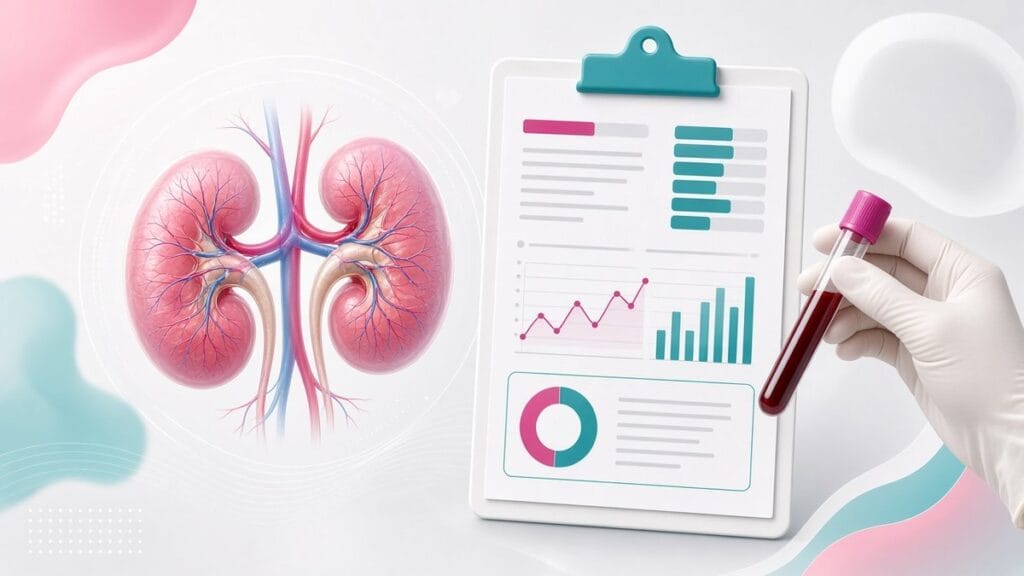
High creatinine on a blood test means this muscle waste product is building up, which can signal that the kidneys are not filtering well. It may be temporary, from dehydration, heavy exercise or some medicines, or point to acute or chronic kidney disease. One report is not a diagnosis; a nephrologist interprets it with eGFR and urine tests.
Many people in Varanasi first learn about creatinine when a routine health check-up, a pre-surgery test or a diabetes follow-up report shows a value marked “high”. It is natural to worry about dialysis at that moment, but most raised readings need careful interpretation rather than panic. This guide explains what creatinine is, why it rises, which symptoms may accompany kidney problems, what tests come next and when to seek urgent care.
What is creatinine?
Creatinine is a waste product made when muscles use energy. Healthy kidneys filter it out of the blood and pass it in urine. When kidney filtering falls, creatinine tends to rise. The MedlinePlus creatinine test guide (US National Library of Medicine) points out that creatinine alone is not the best measure of kidney function, because people make different amounts depending on muscle mass, age and other factors. That is why doctors usually calculate the eGFR (estimated glomerular filtration rate) from your creatinine, age and sex.
Normal ranges differ from one laboratory to another and between men, women and children, so always read your result against the reference range printed on your own report and discuss it with your doctor.
Understanding eGFR
eGFR estimates how much blood your kidneys filter each minute. According to the NIDDK guide to kidney tests, a GFR of 60 or more is in the normal range, a GFR below 60 may mean kidney disease, and a GFR of 15 or less is called kidney failure. A single low reading should be repeated, because kidney disease is diagnosed when changes persist over time, not from one day’s result.
Common causes of high creatinine
Temporary or non-kidney causes
- Dehydration, for example after vomiting, diarrhoea, fever or not drinking enough in hot weather.
- Intense exercise or heavy physical work shortly before the test.
- A diet high in meat or some protein and creatine supplements used for bodybuilding.
- High muscle mass, which can produce a slightly higher creatinine even with healthy kidneys.
- Muscle injury or muscle disorders.
- Certain medicines that change how creatinine is handled or that can affect the kidneys.
MedlinePlus notes that high blood creatinine does not always mean a kidney problem and lists dehydration, muscle injury, intense exercise and a meat-rich diet among other causes.
Kidney-related causes
- Acute kidney injury (AKI): a sudden fall in kidney function, often linked to severe infection, dehydration, low blood pressure, some medicines or blockage of urine flow.
- Chronic kidney disease (CKD): gradual loss of kidney function, most commonly linked to long-standing diabetes and high blood pressure.
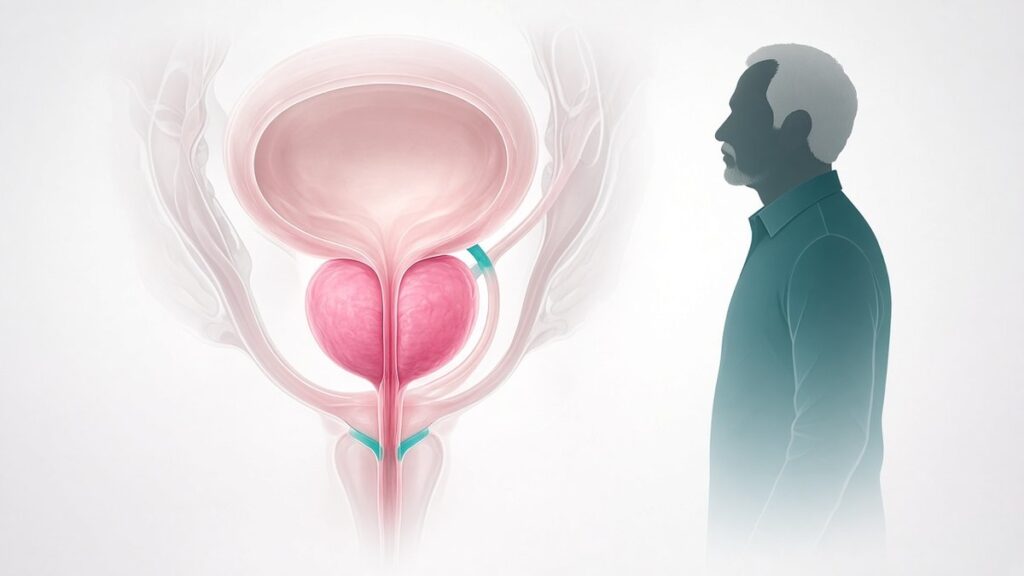
- Blockage of urine flow from kidney stones or an enlarged prostate.
- Kidney infection or inflammation of the kidney filters (glomerulonephritis).
- Overuse of painkillers such as NSAIDs, or unregulated herbal or “kidney cleanse” products.
Symptoms that may come with high creatinine
Many people have no symptoms in the early stages of kidney disease, which is why regular testing matters for people at risk. When symptoms do appear, they may include:
- Passing less urine than usual.
- Swelling of the feet, ankles, legs or around the eyes.
- Tiredness, weakness and poor concentration.
- Loss of appetite, nausea or vomiting.
- Breathlessness, especially when lying flat.
- Itchy skin, muscle cramps or trouble sleeping.
- Foamy urine or blood in urine.
The NHS page on acute kidney injury lists passing less urine, feeling very thirsty, swollen feet or legs, vomiting, confusion and breathlessness when lying down as possible symptoms, and adds that many people do not get symptoms. Our article on swollen feet and ankles explains other causes of leg swelling.
Who should get kidney function checked regularly?
- People with diabetes or high blood pressure.
- People with heart disease or a history of stroke.
- Anyone with a family history of kidney disease.
- People who take painkillers frequently or long-term medicines that can affect the kidneys.
- Those with recurrent kidney stones or urinary infections.
- Older adults and people with obesity.
The NHS chronic kidney disease guide explains that CKD often has no symptoms early on and is usually found through blood and urine tests.
What tests come after a high creatinine report?
| Test | Why it helps |
|---|---|
| Repeat creatinine and eGFR | Confirms whether the rise is persistent or temporary |
| Urine routine and urine albumin-to-creatinine ratio (ACR) | Looks for protein, blood or infection, which are early signs of kidney damage |
| Blood urea, electrolytes (sodium, potassium) | Checks the body’s chemical balance, which can become dangerous in kidney failure |
| Blood sugar and HbA1c, blood pressure | Identifies diabetes and hypertension, the commonest causes of CKD |
| Ultrasound of kidneys and bladder | Shows kidney size, stones, blockage or cysts |
Bring all your old reports and a complete list of medicines and supplements to your appointment. Trends over months often tell more than a single number.
How is high creatinine treated?
Treatment targets the cause. Dehydration-related rises often settle once fluids are restored. Medicine-related changes may improve after the doctor adjusts doses. For CKD, the main goals are to slow progression and protect the heart:
- Good control of blood sugar and blood pressure, with regular monitoring.
- Medicines chosen by your doctor to protect the kidneys and reduce protein leakage.
- Avoiding unnecessary painkillers and unregulated herbal products.
- A kidney-friendly diet planned with a doctor or dietitian, often with less salt; protein and potassium advice depends on your stage.
- Stopping smoking, staying active and maintaining a healthy weight.
- Treating anaemia, bone and mineral problems when they develop.
In advanced kidney failure, dialysis or a kidney transplant may be needed. Our dialysis centre guide explains what dialysis involves. The Nephrology Department and Dialysis Unit at Infinity Care Hospital provide kidney care in Varanasi.
When should you see a nephrologist?
- Your creatinine is above the lab range on repeat testing, or your eGFR is below 60.
- Your eGFR is falling over successive reports.
- Your urine shows protein or blood.
- You have diabetes or high blood pressure with any abnormal kidney test.
- You have swelling, reduced urine output or unexplained tiredness.
Red flags: go to emergency immediately
Seek emergency care at our 24×7 Emergency and Trauma Care Centre if high creatinine or suspected kidney trouble comes with:
- Very little or no urine for many hours.
- Breathlessness, chest pain or an irregular heartbeat.
- Confusion, drowsiness, fits or fainting.
- Repeated vomiting and inability to keep fluids down.
- Sudden severe swelling of the body or face.
- High fever with back or side pain, or severe dehydration.
Consult a specialist at Infinity Care Hospital, Varanasi
Call 08303710006 to book an appointment, or book online. Emergency care is available 24×7. Address: S2/1-92, 93, Panchkoshi Rd, Ordali Bazar, Tagore Town, Varanasi, Uttar Pradesh 221002.
Call 08303710006Book an Appointment
Related: Department page | Dr. Nikhil Srivastava’s profile | Our Doctors
FAQs
Does high creatinine always mean kidney failure?
No. Creatinine can rise temporarily from dehydration, heavy exercise, a meat-rich diet, muscle injury or certain medicines. Kidney disease is confirmed only when tests such as eGFR and urine albumin stay abnormal over time.
Can drinking more water lower creatinine?
If the rise is due to dehydration, restoring fluids can help it return towards normal. But drinking excessive water does not repair kidney damage, and people with heart failure or advanced kidney disease may need fluid limits. Follow your doctor’s advice.
Which test is better: creatinine or eGFR?
eGFR is usually more useful because it adjusts creatinine for age and sex to estimate kidney filtering. Doctors also check urine albumin, because protein in urine can show early kidney damage even when eGFR is normal.
Can high creatinine be reversed?
Temporary rises and many cases of acute kidney injury can improve when the cause is treated quickly. Chronic kidney disease usually cannot be reversed, but good care can slow its progression for many years.
Should I stop my medicines if creatinine is high?
Do not stop any prescribed medicine on your own. Some medicines need dose changes in kidney disease, while others protect the kidneys. Show your full medicine list to your doctor so they can adjust safely.
Medical disclaimer: This article is for general health information only and is not a substitute for personal medical advice, diagnosis or treatment. Do not start or stop any medicine without consulting a doctor. In an emergency, go to the nearest hospital or call 08303710006.