Published: 13 November 2026 | Last updated: 13 November 2026
An enlarged prostate (benign prostatic hyperplasia, or BPH) is a common, non-cancerous growth of the prostate in older men. It can press on the urethra, causing frequent urination, waking at night to urinate, a weak stream, straining and incomplete emptying. Many men improve with lifestyle changes or medicines; a urologist can confirm the cause.
Many men in Varanasi and nearby districts put up with night-time urination for years because they assume it is “just age”. Some symptoms of an enlarged prostate are indeed common with ageing, but similar symptoms can also come from urinary infection, diabetes, kidney stones, bladder problems or, less commonly, prostate cancer. This guide explains the typical symptoms of BPH, what causes them, which tests a urologist may suggest, the main treatment options and the warning signs that need same-day care.
What is the prostate and why does it enlarge?
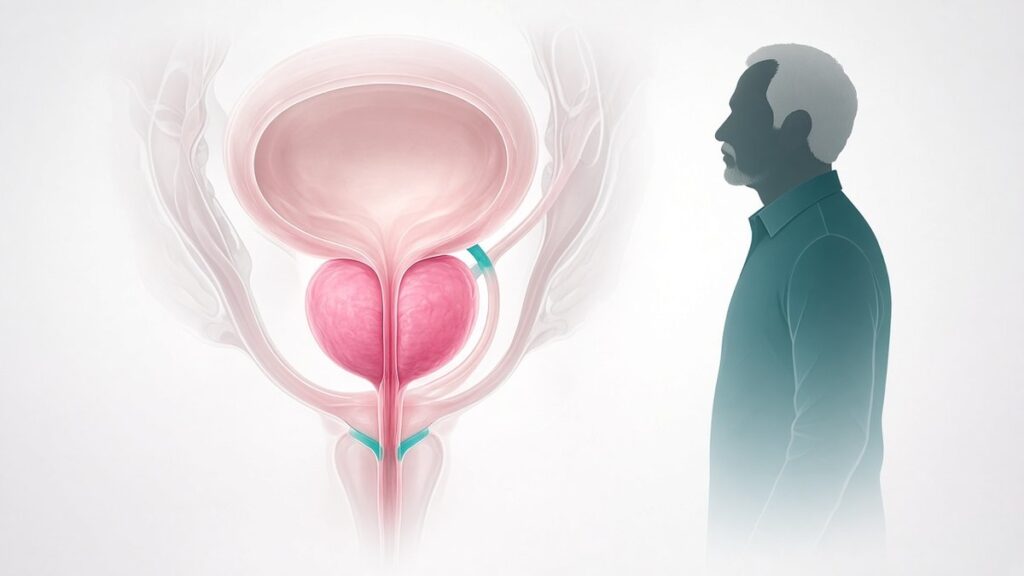
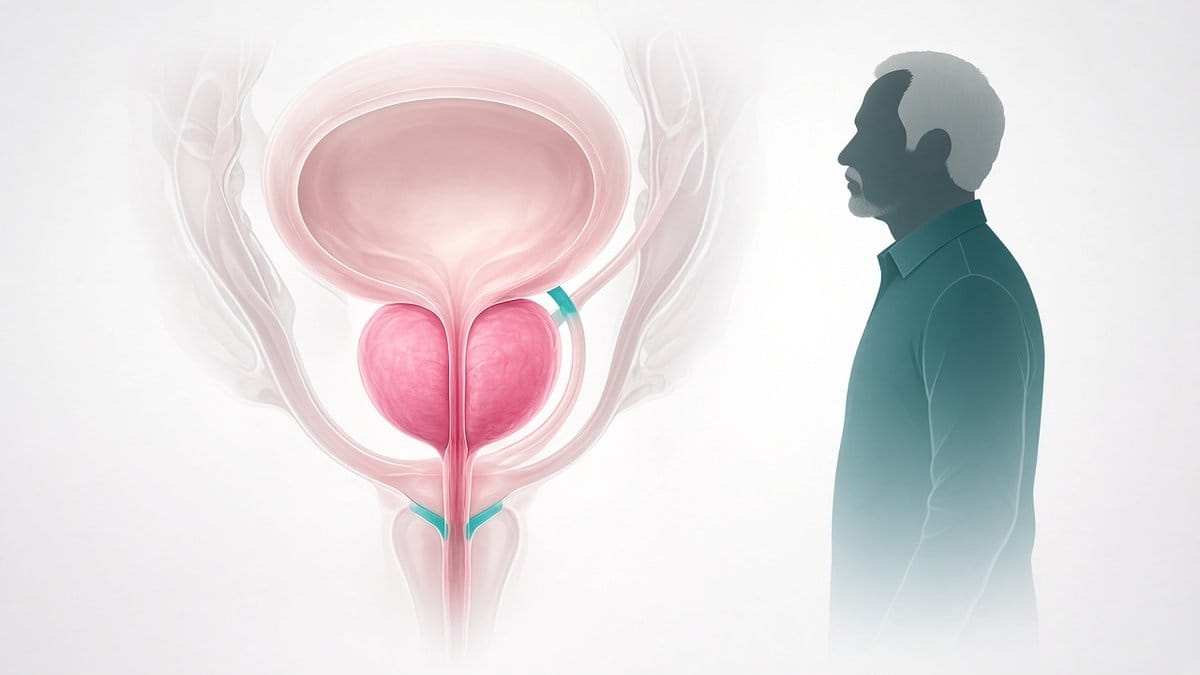
The prostate is a small gland below the bladder in men. It surrounds the urethra, the tube that carries urine out of the body. With age and hormonal changes, the prostate often grows slowly. When it enlarges, it can squeeze the urethra and make the bladder work harder to push urine out.
According to the NHS guide to an enlarged prostate, the condition usually affects men over 50, is very common, is not caused by prostate cancer and does not increase the risk of getting it. The NIDDK (US National Institutes of Health) adds that similar symptoms can come from bladder problems, urinary infections, prostatitis or prostate cancer, which is why proper evaluation matters.
Common enlarged prostate symptoms
Doctors usually group prostate-related urinary symptoms into two types.
Storage symptoms (bladder irritation)
- Needing to pass urine more often than usual during the day.
- Waking up two or more times at night to urinate (nocturia).
- A sudden, strong urge to urinate that is hard to hold.
- Occasional leakage before reaching the toilet.
Voiding symptoms (difficulty emptying)
- A weak or slow urine stream.
- Difficulty or delay in starting urination.
- Straining or pushing to pass urine.
- A stream that stops and starts.
- Dribbling at the end of urination.
- Feeling that the bladder is still not empty.
The size of the prostate does not always match the severity of symptoms. Some men with a moderately enlarged gland have significant trouble, while others with a larger gland have few complaints. That is why treatment is based on symptoms, test results and how much daily life is affected, not size alone.
What else can cause similar urinary symptoms?
Frequent or difficult urination in men is not always BPH. A urologist will consider other possibilities such as:
- Urinary tract infection or prostatitis, especially if there is burning, fever or pain.
- Diabetes, which can increase urine volume and thirst.
- Kidney or bladder stones, which may cause pain or blood in urine. Read our guide to kidney stone symptoms in Varanasi.
- Overactive bladder or nerve-related bladder problems.
- Medicines such as some cold remedies, antihistamines and diuretics.
- Drinking large amounts of fluid, tea or coffee late in the evening.
- Prostate cancer, which often has no early symptoms. The NHS prostate cancer page notes that urinary symptoms are more often due to an enlarged prostate but should still be assessed.
Risk factors
- Increasing age, particularly after 50.
- A family history of prostate problems.
- Obesity, low physical activity, diabetes and heart disease, which are linked with more urinary symptoms.
How a urologist diagnoses BPH
The first visit usually involves a detailed history: how often you pass urine, how many times you wake at night, stream strength, medicines and other illnesses. A symptom questionnaire and a short bladder diary (recording fluid intake and urine output for a few days) can be very useful. Common tests include:
| Test | What it shows |
|---|---|
| Urine test | Infection, blood or sugar in urine |
| Digital rectal examination | Approximate size, shape and texture of the prostate |
| PSA blood test | A protein made by the prostate; may be raised in BPH, infection or cancer, so it needs careful interpretation |
| Kidney function blood tests | Whether long-standing blockage is affecting the kidneys |
| Ultrasound (kidneys, bladder, prostate) | Prostate size, kidney swelling and how much urine remains after passing urine |
| Uroflowmetry | Speed and pattern of the urine stream |
A PSA test is a decision to discuss with your doctor, because results can be raised for reasons other than cancer. Your urologist will explain what your result means in the context of your age, symptoms and examination.
Treatment options for an enlarged prostate
Watchful waiting and lifestyle changes
For mild symptoms, simple steps often help:
- Reduce fluids in the two hours before bedtime, but drink enough through the day.
- Cut down on tea, coffee and alcohol, especially in the evening.
- Pass urine before going to bed and before long journeys.
- Try “double voiding”: wait a moment after urinating and try again.
- Treat constipation, which can worsen urinary symptoms.
- Review any cold or allergy medicines with your doctor.
- Stay active and maintain a healthy weight.
Medicines
Several groups of medicines are used for BPH. Some relax the muscles of the prostate and bladder neck to improve flow, while others can gradually shrink the gland over months. Each has possible side effects, such as dizziness on standing or changes in sexual function, so the choice should be made with a doctor. Do not start or combine prostate medicines on your own.
Minimally invasive procedures and surgery
If symptoms remain troublesome despite medicines, or if complications develop, a urologist may recommend a procedure. Options include endoscopic surgery performed through the urethra, such as transurethral resection of the prostate (TURP), and other techniques. The right option depends on prostate size, overall health and personal preferences. The Urology Department at Infinity Care Hospital evaluates and treats prostate conditions and can explain which approach suits you.
When should you see a urologist?
- You wake at night two or more times regularly to pass urine.
- Your stream has become noticeably weak or you need to strain.
- You feel your bladder never fully empties.
- Urinary symptoms are affecting your sleep, work or travel.
- You have diabetes, kidney disease or a family history of prostate cancer.
- Symptoms continue despite cutting down evening fluids and caffeine.
Red flags: seek emergency care
Go to the nearest emergency department, such as our 24×7 Emergency and Trauma Care Centre, if you have:
- Complete inability to pass urine with a painful, swollen lower abdomen (acute urinary retention).
- Fever, chills or shivering with urinary symptoms.
- Visible blood or clots in the urine.
- Severe pain in the side, back or lower abdomen.
- Very little urine output, swelling of the legs, vomiting or confusion, which can signal kidney involvement.
Urinary retention is a medical emergency. A catheter can relieve it quickly, and the cause can then be treated. Delaying care can harm the bladder and kidneys.
Consult a specialist at Infinity Care Hospital, Varanasi
Call 08303710006 to book an appointment, or book online. Emergency care is available 24×7. Address: S2/1-92, 93, Panchkoshi Rd, Ordali Bazar, Tagore Town, Varanasi, Uttar Pradesh 221002.
Call 08303710006Book an Appointment
Related: Department page | Dr. Vikas Kumar’s profile | Our Doctors
FAQs
Is an enlarged prostate the same as prostate cancer?
No. BPH is a non-cancerous enlargement of the prostate. It does not turn into cancer, but both conditions can occur in the same man and can cause similar symptoms. A urologist can use examination, a PSA test and other tests to tell them apart.
At what age do prostate problems usually start?
Prostate enlargement becomes more common after the age of 50, and symptoms tend to increase with age. Younger men can also have urinary symptoms from infection or other causes, so age alone should not delay a check-up.
Why do I wake up at night to urinate?
Night-time urination can be caused by an enlarged prostate, drinking fluids or tea late in the evening, diabetes, some medicines, heart or kidney conditions, or sleep problems. A bladder diary and a few simple tests help find the cause.
Can an enlarged prostate be treated without surgery?
Yes, many men manage well with lifestyle changes and medicines. Surgery or a procedure is usually considered when symptoms stay troublesome, medicines are not suitable, or complications such as retention, repeated infections, stones or kidney effects develop.
What should I do if I cannot pass urine at all?
Treat it as an emergency. Go to the nearest hospital emergency department immediately. Doctors can relieve the bladder with a catheter and then investigate the cause.
Medical disclaimer: This article is for general health information only and is not a substitute for personal medical advice, diagnosis or treatment. Do not start or stop any medicine without consulting a doctor. In an emergency, go to the nearest hospital or call 08303710006.